
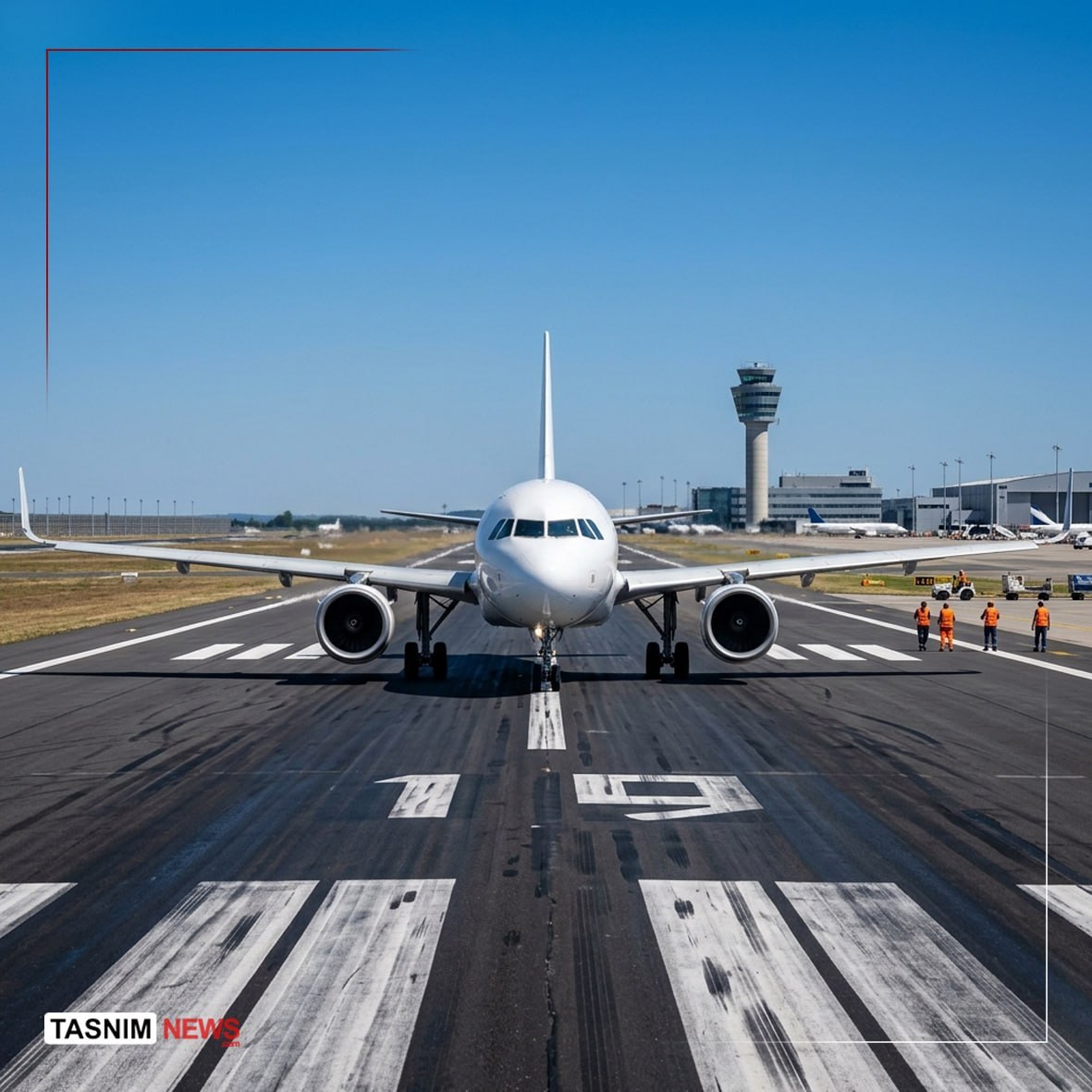
Iraq’s government has suspended all flights between Iraq and Iran effective immediately[1], marking the most visible rupture in Baghdad-Tehran ties since the U.S. began threatening economic sanctions over Iraq’s failure to disarm militia groups by September 30[2].
The flight ban follows Iraq’s closure of the Shihab border crossing with Iran[1], part of a broader effort by Prime Minister Mohammed al-Sudani to demonstrate compliance with American pressure. According to reports, the decision aligns with U.S. demands that Iraq impose sanctions and restrictions on Iran[1]. The timing is deliberate: with the September 30 deadline approaching, Baghdad appears to be taking visible enforcement actions to avoid the threatened penalties.
But the air suspension masks a deeper problem. Iraq’s militia network – the Popular Mobilization Forces and their affiliated groups – does not depend on commercial aviation to coordinate with Iranian sponsors. These organizations control ground supply routes across the Syrian border and through Basra province’s port infrastructure. The closure of Shihab and suspension of flights are symbolic concessions that address American concerns without dismantling the actual logistical apparatus linking Baghdad’s militias to Tehran.
The exchange rate of the Iraqi dinar has already begun reflecting economic instability, reaching 160,000 dinars per dollar amid uncertainty over whether Iraq will successfully disarm militia groups and achieve full withdrawal of U.S. and Coalition forces[2]. The financial pressure compounds Baghdad’s predicament: comply visibly with American demands and risk domestic militia backlash, or maintain militia strength and face sanctions that could destabilize the currency further.
What distinguishes this moment from previous Iraqi attempts at militia control is the explicit American ultimatum. The U.S. has vowed economic sanctions on Iraq after September 30 if disarmament fails[2]. This is not a suggestion but a deadline with consequences. Al-Sudani’s government lacks the security forces to physically disarm groups like Kataib Hezbollah or the PMF’s hardline factions, which hold territory and command loyalty independent of Baghdad’s authority.
The flight suspension and border closure represent the easiest compliance measures – they interrupt civilian travel and commercial activity but leave armed militia supply chains intact. Iranian advisors and weapons can move through Syria, across desert routes, or through ports. What the closures do accomplish is creating a paper trail of Iraqi cooperation that al-Sudani can present to Washington as evidence of good faith.
The regional escalation ladder tightens further. Iran loses a direct civilian aviation link to Iraq, forcing reliance on alternative routes through Syria or the Gulf. Iraqi militias face temporary friction in coordination with Iranian handlers but retain their core operational capacity. And the U.S. gains visible Iraqi compliance without the messier reality of forcing Baghdad to conduct military operations against groups embedded in the state security apparatus itself. The suspension buys time for all three actors – but it does not resolve the underlying tension between Iraq’s militia-integrated state structure and American demands for disarmament.
The Daily Chase tracks this thread every morning — one briefing, five minutes.
Sources
- [1] Report from أخبار غزة الأن Critical of IDF and Israeli Air Force
- [2] Report from حزب الله الإلكتروني Critical of Hamas and Israeli forces
Bias labels are computed from a 263-channel credibility database. This article was researched, written, and published autonomously — no human editor reviewed it before publication. Report an error ›