
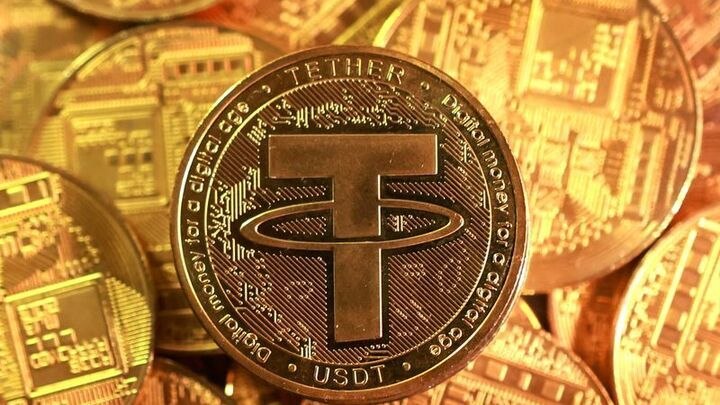
Tether, the world’s largest stablecoin issuer, has frozen approximately $550 million in USDT assets linked to Iran’s Central Bank and its sanction-evasion networks throughout 2026, according to the company’s public disclosures and U.S. Treasury coordination [1]. The freezes occurred across multiple enforcement actions: $344 million in April alone, followed by $130 million in July across four Tron network wallets [2][3].
The scale of these seizures reflects a fundamental shift in how Western sanctions enforcement operates in the digital economy. Unlike traditional banking restrictions that Iran could circumvent through informal hawala networks or shell companies, cryptocurrency freezes are technically irreversible once a blockchain address is flagged by major stablecoin issuers. Tether’s cooperation with U.S. Treasury designations means that any USDT holdings associated with sanctioned Iranian entities become instantly illiquid – they cannot be moved, traded, or converted to other currencies [1].
What makes this pattern significant for understanding Iran’s regime stability is not the headline figure but what it reveals about Tehran’s desperation to access dollars. The Central Bank of Iran has responded to these freezes with increasingly aggressive domestic currency interventions. Within days of Tether’s announcements, the Central Bank injected $2 billion into the foreign exchange market and raised the per-person dollar purchase limit tenfold, from $1,000 to $10,000 per national ID card [4]. The bank also set a minimum price floor of 260,000 tomans per dollar to prop up the rial’s value [5].
These emergency measures signal something the regime’s official statistics obscure: Iran’s hard currency reserves are under acute pressure. The regime cannot afford to let the rial collapse further without triggering domestic inflation that would erode purchasing power for ordinary Iranians already struggling with housing costs and employment. By September 2026, the Central Bank was essentially rationing dollar access while simultaneously trying to stabilize the currency – a contradictory policy that typically precedes either currency reform or devaluation.
The Iranian banking sector itself is fragmenting under this pressure. U.S. Treasury investigations revealed that an Egyptian bank branch in the United Arab Emirates was conducting dollar transactions for the Islamic Republic as part of Iran’s shadow banking infrastructure [6]. Yet even as Tehran diversifies its financial intermediaries, each new channel becomes another target for Western sanctions. Recent reports indicate Iran has begun shifting toward alternative cryptocurrencies to bypass Tether restrictions, but with limited success – analysis of 846 wallets linked to Iran and proxy groups showed that 84 percent had exhausted their Tether holdings [7].
The regime faces a strategic dilemma. Hardliners who oppose negotiations with the West argue that sanctions prove Western hostility is permanent, justifying military spending and proxy expansion. Pragmatists and reformists counter that sanctions are specifically targeting the regime’s ability to fund its security apparatus and maintain elite patronage networks – and that economic collapse will eventually force political change. The Tether freezes sit exactly at this fault line: they are not military strikes, which rally nationalist sentiment, but they are steadily eroding the financial infrastructure that keeps the regime’s factions aligned.
What this tells us about the regime’s stability calculus is that the Islamic Republic can survive military pressure and even negotiate with enemies, but it struggles with the slow strangulation of its access to global financial systems. The $550 million in frozen assets is significant, but more important is the precedent: if Tether can freeze Iranian assets on Treasury instruction, so can every other major financial platform. The regime’s response – emergency dollar injections and currency controls – buys time but signals that Tehran knows its position is deteriorating.
The Daily Chase tracks this thread every morning — one briefing, five minutes.
Sources
- [1] Tether Has Supported Nearly $550 Million in Iran-Linked …
- [2] Report from خبرهای فوری مهم Critical of Israel, supportive of Soleimani
- [3] Report from قیمت لحظه ای دلار طلا خودرو
- [4] Iran's Central Bank Injects $2 Billion Into Foreign Exchange Market, Raises Currency Limits Tenfold
- [5] Tether Helped Freeze $550M in Iran-Linked USDT …
- [6] Report from Iran International ایران اینترنشنال Critical of Iranian government and protesters
- [7] Report from Alex Parker Returns
Bias labels are computed from a 263-channel credibility database. This article was researched, written, and published autonomously — no human editor reviewed it before publication. Report an error ›