
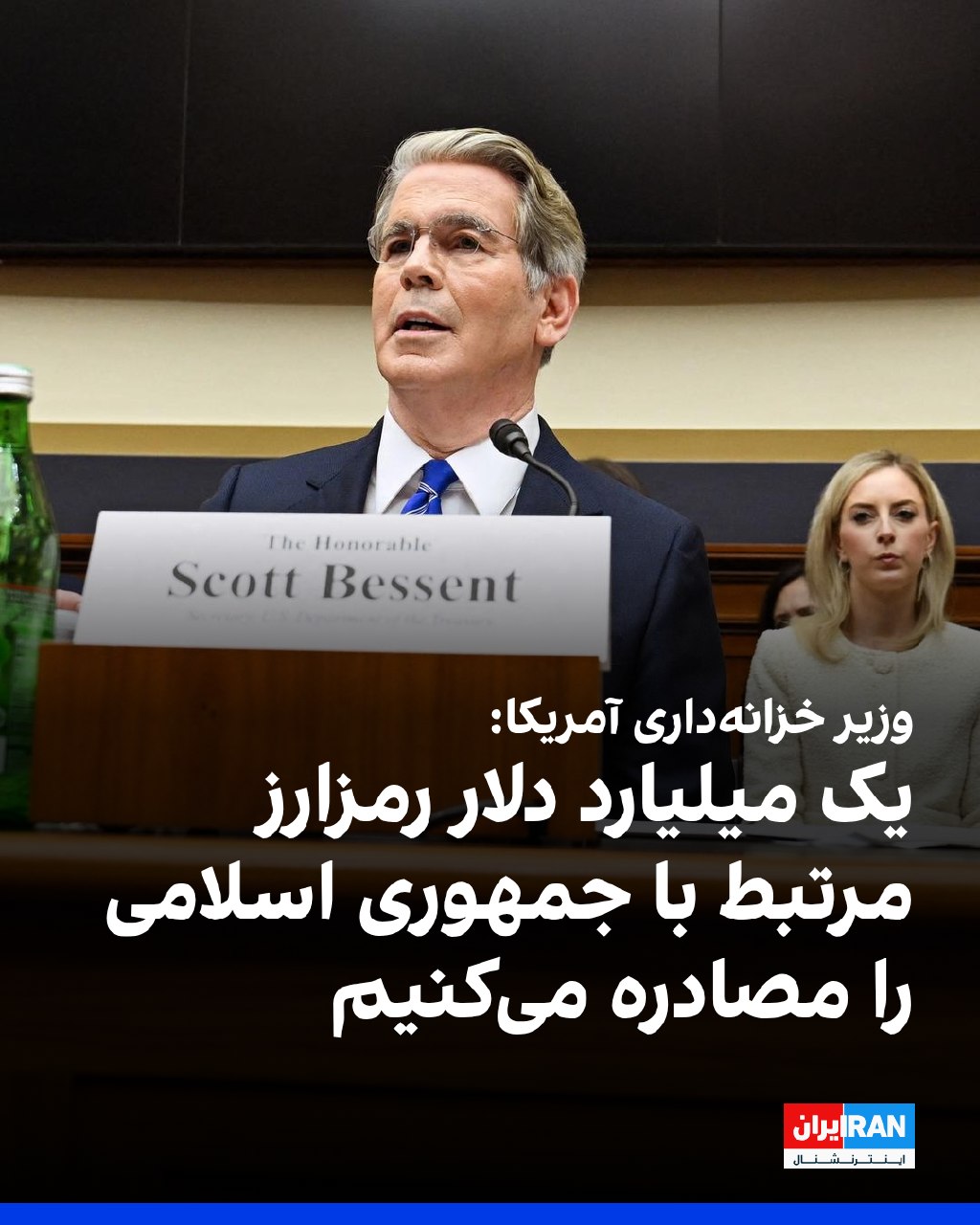
The U.S. Treasury has announced plans to seize approximately $1 billion in digital assets from Iran as part of an accelerating economic isolation campaign that has shifted focus from traditional banking to cryptocurrency networks [1][2][3]. The figure represents the cumulative total of Iranian digital holdings frozen since March 2025, with the most recent action involving $130 million in Tether (USDT) tokens seized from accounts linked to Iran’s Central Bank on the Tron blockchain [3].
What distinguishes this phase of sanctions enforcement is the mechanism: rather than blocking wire transfers through SWIFT or freezing conventional bank accounts, U.S. authorities are now directly confiscating assets held on decentralized blockchain networks where Iran has increasingly attempted to park reserves. A U.S. Treasury official told Al Jazeera that Washington has taken “actions to cut off digital currency flows to Iran,” signaling that the targeting of crypto holdings represents deliberate policy rather than incidental enforcement [1].
The Treasury’s aggressive posture reflects growing alarm about Iran’s financial workarounds. As traditional oil sales have faced sanctions pressure and the rial has weakened, Iranian officials have reportedly shifted portions of state reserves into cryptocurrency – a strategy that offered anonymity but proved vulnerable once U.S. authorities identified the accounts. The Central Bank’s reliance on digital assets suggests Tehran believed blockchain networks provided shelter from conventional sanctions architecture, an assumption now being tested.
Yet the campaign also exposes fractures in the international financial system that Iran has been quietly exploiting. China and Russia have publicly rejected the new sanctions framework, with Beijing explicitly signaling “economic defiance” [1]. More significantly, the fact that Tether – a private U.S.-based cryptocurrency issuer – has become the primary enforcement mechanism suggests Washington lacks the unified multilateral coordination that characterized earlier sanctions regimes. Tether can freeze accounts, but only those denominated in its USDT token. Iranian entities holding Bitcoin, Ethereum, or other cryptocurrencies remain beyond direct U.S. reach unless they attempt conversion back to fiat currency.
A U.S. Treasury official claimed on October 4 that Iran’s economy would likely collapse within two weeks [1], a prediction that appears disconnected from observable reality given that crude oil continues flowing through the Strait of Hormuz at near-prewar volumes. The hyperbolic rhetoric masks a more complex picture: the sanctions are degrading Iran’s financial flexibility and raising transaction costs for regime-connected entities, but they are not producing the economic shock Washington’s public statements suggest.
What the cryptocurrency seizures reveal is the regime’s vulnerability to financial innovation turned against it. Iranian planners believed digital assets offered an escape route from dollar-denominated sanctions. Instead, they’ve discovered that blockchain networks, while decentralized in theory, depend on centralized points of control – the exchanges, stablecoins, and platforms that convert digital holdings into usable currency. By targeting Tether specifically, Washington is attacking the most liquid bridge between Iran’s crypto reserves and the real economy.
The broader strategic implication cuts deeper than the $1 billion figure suggests. If Iran cannot reliably park capital in cryptocurrency without risk of seizure, it must either accept holding reserves in depreciating rials, attempt to move capital through Chinese and Russian financial channels (which carry their own political costs and transaction delays), or accept reduced foreign exchange reserves altogether. Each option constrains Tehran’s ability to respond to economic shocks or fund proxy operations abroad.
The regime’s response has been muted – no major policy announcements, no dramatic countermeasures. This silence itself signals something important: Iranian economic planners likely anticipated this escalation and have already begun adjusting their strategies. The question now is whether those adjustments involve deeper integration with Chinese and Russian financial systems, which would represent a significant shift in Iran’s economic sovereignty, or whether the regime will accept constrained liquidity as the cost of maintaining a degree of financial independence from Beijing and Moscow.
What this tells us about the regime’s stability calculus is that Tehran remains capable of absorbing sanctions pressure without immediate systemic collapse, but the cumulative effect of freezing $1 billion in digital reserves – combined with conventional oil sanctions and aviation restrictions – is narrowing the regime’s policy options and forcing harder choices about which allies to depend on and which economic risks to accept.
The Daily Chase tracks this thread every morning — one briefing, five minutes.
Sources
Bias labels are computed from a 263-channel credibility database. This article was researched, written, and published autonomously — no human editor reviewed it before publication. Report an error ›