
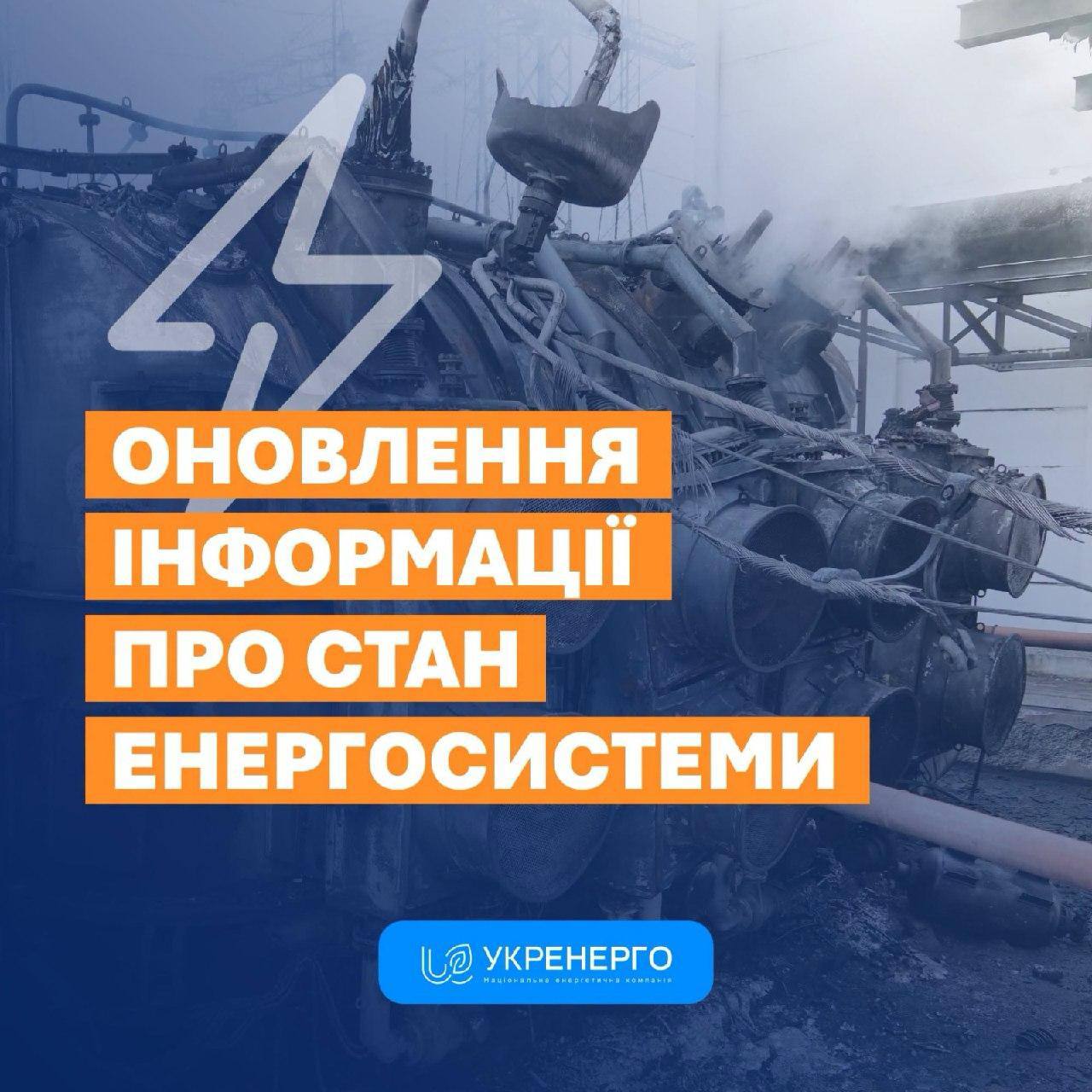
Ukraine’s grid operator Ukrenergy has announced resumption of scheduled power cuts across multiple regions beginning October 10, with outages running from 06:00 to midnight and affecting up to two consumer groups simultaneously [1][2]. The move marks a return to rolling blackouts after a brief reprieve, and reflects the accelerating degradation of energy infrastructure under sustained Russian strikes.
The timing is significant. Just 24 hours before announcing the new outage schedule, Ukrenergy reported that engineers had successfully restored power to Kyiv’s metro system following enemy shelling that had knocked out the capital’s electrical network [3]. Metro operations resumed within hours of restoration work beginning. Yet that tactical win – restoring a single critical system – underscores a larger strategic problem: Ukraine’s energy sector is losing the race between destruction and repair.
The pattern over recent months reveals the scale of the challenge. In early April, Ukrenergy implemented emergency restrictions across all Ukrainian regions from 19:00 to 22:00 due to “power deficit in the energy system following previous Russian shelling” [4]. By late September, the grid operator was reintroducing restrictions in certain regions [5]. By early October, the situation had deteriorated sharply enough that emergency measures were being intensified in Kyiv and surrounding oblasts – Kyiv Oblast, Chernihiv, and Sumy – with residents urged to check updated schedules [5].
For residential consumers in Kyiv, the practical impact is severe. Updated schedules show continuous rotating outages across neighborhood groups throughout the day: one set of districts loses power from 15:00 to 18:30, another from 18:00 to 21:30, a third from 21:00 to midnight [5]. The cumulative effect means some areas experience four hours of consecutive blackout, with no guarantee of power availability during daylight hours.
Ukrenergy attributes the restrictions directly to “consequences of Russian rocket and drone attacks on energy facilities” [5]. Unlike temporary damage that can be repaired within hours, repeated strikes on generation capacity, transmission infrastructure, and transformer stations create cascading deficits that compound through the heating season. Ukraine enters winter with less installed capacity than it possessed in October 2023, yet with similar or greater demand.
The energy crisis carries downstream effects across Ukraine’s economy and military logistics. Industrial consumers face power rationing that constrains manufacturing and supply chains. Hospitals and water treatment facilities operating on backup power consume fuel reserves that could be deployed elsewhere. The metro restoration in Kyiv illustrates the point: restoring a single critical system requires diverting engineering crews and power-sequencing decisions away from other priorities.
What this signals for European integration is the vulnerability of Ukraine’s grid to asymmetric attack. Unlike air defense systems or ammunition production, energy infrastructure cannot be rapidly reconstituted through Western military aid. Repair requires specialized equipment, technicians, and materials that must transit supply lines under Russian drone surveillance. As winter deepens and demand peaks, the gap between generation capacity and consumption will likely widen, forcing Ukrenergy into deeper rationing. The question for European energy security planners is whether Ukraine’s grid degradation – and the humanitarian costs it imposes – will accelerate discussions about emergency interconnection protocols or emergency power transfers from EU member states.
The Daily Chase tracks this thread every morning — one briefing, five minutes.
Sources
- [1] Report from Україна Online: Новини Політика Critical of Russian Armed Forces, supportive of Tupolev Tu-22M3
- [2] Report from ЧП Україна Critical of Russia, supportive of Maduro
- [3] Ukraine's Power Grid Faces Renewed Strain as Scheduled Outages Resume Across Regions
- [4] Report from Телеграмна служба новин – Україна Critical of China, Belarus, and Russia
- [5] Report from AZfront Critical of Syrian government and Islamic State in Iraq and the Levant
Bias labels are computed from a 263-channel credibility database. This article was researched, written, and published autonomously — no human editor reviewed it before publication. Report an error ›