
Poland Bets €45 Billion That Russia Means What It Says
Warsaw just put more money where its mouth is than any NATO ally in history. Poland is spending 4.8% of GDP on defense this year – roughly €45 billion – buying everything from American Abrams tanks to South Korean K2s, Patriot systems to F-35s. The deliberate multi-source procurement isn’t just about capability. It’s about not being hostage to any single supplier.
The context: Russia formally warned NATO this week that it will use its “entire military arsenal, including nuclear weapons,” if the alliance tries to isolate Kaliningrad. That’s not background noise – it’s the explicit threat that’s been driving Warsaw’s calculations for two years. Poland knows it sits at the intersection of any Russian westward move and is building accordingly.
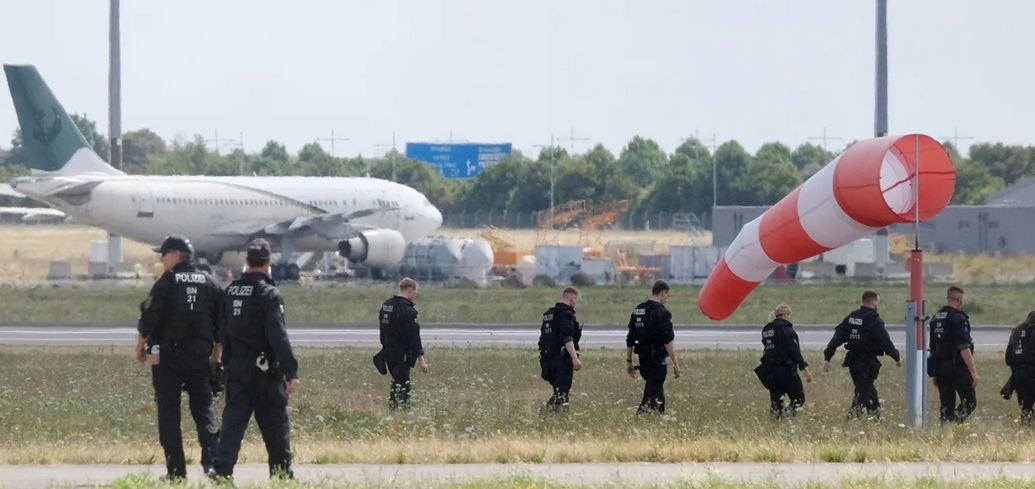
Meanwhile, Germany disrupted a Russian GRU plot to drone-strike Leipzig/Halle Airport, working with Lithuanian and Polish intelligence to identify the organizer as Oleg Levushkin, a 55-year-old operative with links to Unit 29155 – the same GRU directorate behind the Salisbury poisonings. He flew in through Turkey, spent days doing reconnaissance, then exited to Serbia two days before the planned strike date. This is Moscow’s playbook: plausible deniability, civilian infrastructure, maximum disruption without triggering Article 5.
Ukraine’s F-16 Problem Is Worse Than You Think
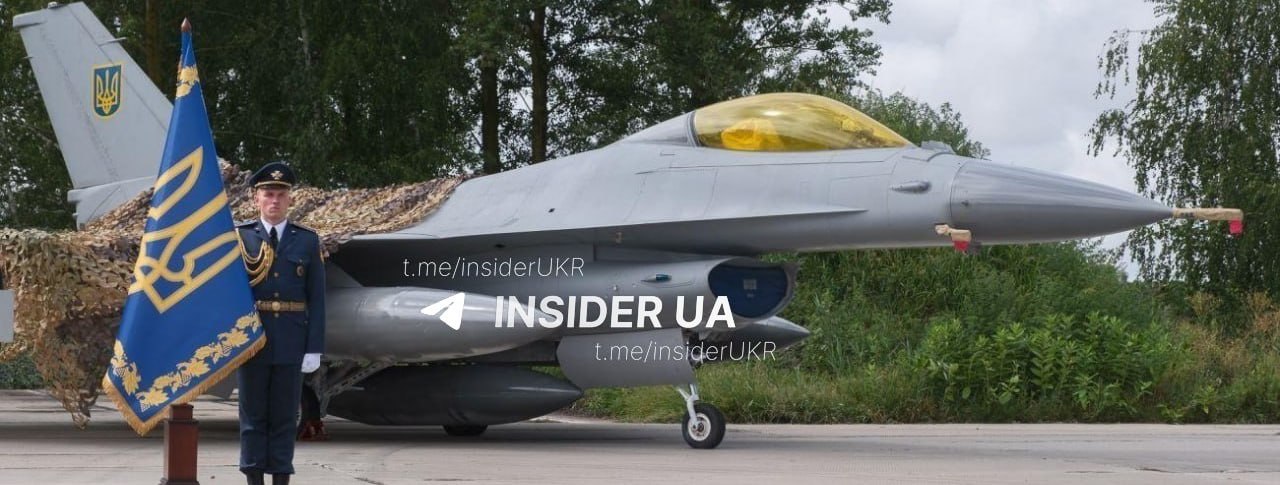
Here’s a number that should alarm Western defense planners: more than half of Ukraine’s F-16 fleet is currently grounded, sitting in a Belgian repair queue. The bottleneck is Sabena Aerospace Engineering, which is taking up to 40 weeks to complete maintenance that takes American depots two to six weeks. Ukraine flies these planes hard – combat tempo burns through service intervals fast – and the repair pipeline simply can’t keep up. Zelenskyy announced Belgium will deliver three more F-16s by year-end. Three more aircraft going into the same broken queue.
On the offensive side, Ukraine unveiled the Thor Hammer drone this week – 600km range, 40-50kg warhead, targeting production of 5,000 units monthly by end of 2026. Manufacturer SkyFall is also developing a 1,000km+ variant. Domestically produced and cheap enough to scale, it’s Ukraine’s answer to being outgunned on long-range strikes. On the defensive side, Kyiv is testing five interceptor drone models specifically designed to kill Shahed drones, with one model expected to hit 400 units monthly by October’s end.
The backdrop is grim. Russia has over 13,000 Shaheds in inventory and Ukrainian monitors are warning of a coming mass strike on six western Ukrainian cities targeting airfields, energy systems, and defense factories. Worse, Ukraine claims to have intercepted Russian plans for a coordinated strike of up to 1,000 rockets, drones, and bombs targeting electrical distribution nodes near three nuclear power plants. The goal wouldn’t be to destroy the reactors – it would be to disconnect them from the grid entirely. Prime Minister Shmyhal briefed European officials in Paris on this two weeks ago.
Putin, meanwhile, publicly called for “swift resolution through dialogue” while simultaneously rejecting an energy ceasefire proposal as “senseless.” That tells you everything. Moscow wants talks that begin with Ukrainian capitulation, not talks that constrain Russian military options.
The Gulf’s Military Architecture Is Reshaping Fast
Three stories that look separate but aren’t. Saudi Arabia is mobilizing 180,000 troops for a potential Yemen offensive aimed at liberating strategic cities and potentially pushing toward Houthi-held Sana’a. Pakistan has stationed 30,000-40,000 troops in Saudi Arabia under a formal tripartite pact called “Al-Muqata” that includes Turkey, bringing JF-17 jets, drones, and Chinese-made HQ-9 air defense systems. And the US has deployed seven aerial refueling tankers near the Strait of Hormuz – not a one-off strike posture but sustained KC-135 operations that suggest planning for extended air combat.
The US is also moving three carrier strike groups into position near Iran by end of November, adding roughly 10,000 personnel to the 50,000 already in region. The USS Makin Island alone carries 2,000 Marines and a dozen F-35Bs.
Against all this, Iran’s Quds Force chief Esmail Qaani made the unusual move of publicly calling on Saudi Arabia to end the Yemen war, citing Riyadh’s $10 billion expenditure and the suffering of “Muslim children.” Qaani is not a diplomat – he’s the operational architect of Iran’s entire proxy network. When the man who built and runs the Houthi supply chain calls for a ceasefire, it’s either genuine recalibration or a tactical pressure release. Given that Iran’s oil exports collapsed to zero in September and inflation has hit 143%, the pressure on Tehran is real.
The UK added another pressure point: Prime Minister Andy Burnham says Britain has “convincing evidence” of Iranian involvement in the RAF Fairford incident – a security breach at the strategic air base used for US Air Force operations. A British-Iranian citizen has been detained. The US State Department has warned of “serious consequences.”
The Hijacking That Almost Was – And the Intel War Around It
Omani co-pilot Hamam al-Hammami, 29, allegedly tried to crash a Flydubai flight carrying roughly 100 Israeli passengers into Israeli territory this week. He’d been previously flagged for radical views and grounded by Omani aviation authorities. Someone hired him anyway. The plane transmitted both emergency code 7700 and hijacking code 7500 before the situation was contained; Israeli fighter jets were reportedly en route. Al-Hammami has since been transferred to UAE custody and is cooperating with investigators.
Netanyahu convened security consultations. The UAE briefly revoked Israeli airline landing permits in the aftermath – a reminder that even the Abraham Accords have friction points under pressure. Israeli carriers resumed Dubai flights Friday after emergency budget allocation from Finance Minister Smotrich, with hours of additional security preparation required.
The follow-on concern: Israeli researcher Yitzhak Mandsdorf is warning that the narrative battle around this incident may matter as much as the incident itself. His data point: among Americans under 29, only about 40% correctly identify al-Qaeda as responsible for September 11. Disinformation fills vacuums fast, and he’s arguing Israel needs to shape the record now.
Watch Tomorrow
- October 8 is the anniversary of a major Ukrainian strike on the Crimean Bridge – Russia has placed its Black Sea Fleet on high alert expecting significant Ukrainian attacks during this symbolic window. Watch whether Kyiv strikes and whether Russian air defenses hold.
- The October 10 global mobilization: over 200 organizations across 60 countries have coordinated demonstrations demanding arms embargoes against Israel. Watch whether any Western government announces policy shifts in the 48 hours around this date.
- Saudi Arabia’s Yemen offensive decision: the 180,000-troop mobilization is in planning phase with multiple operational options still under review. Watch for any announcement from Riyadh or confirmation from US/French defense officials about operational support commitments.