
Houthis Strike Riyadh as Yemen’s Proxy War Reaches a New Threshold
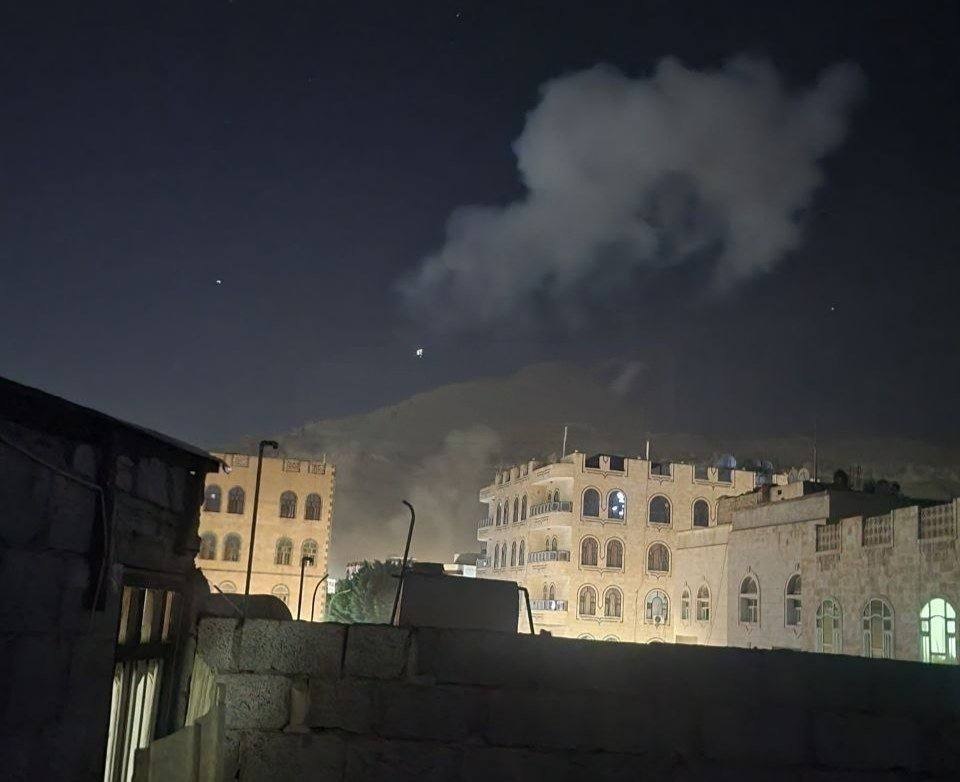
The Yemen war just escalated in a way that matters. Houthi forces struck Saudi Aramco’s headquarters in Riyadh using ballistic missiles and drones on October 3, forcing Riyadh airport to suspend all flights. Satellite imagery confirmed a fire at the Yanbu refinery burning at 205 megawatts of heat intensity, still active hours later. A second fire broke out at Aramco’s Riyadh operations.
The Saudi response: 38 airstrikes in 24 hours across Ta’izz, Zaydah, and Hajjah – bringing the escalation cycle’s total to 1,123 strikes. That’s the familiar rhythm. What’s new is the Houthis demonstrating they can strike deep into Saudi Arabia’s economic core with precision weapons, not just harassment fire.
Worse for Riyadh: U.S. intelligence has warned Saudi Arabia against further escalation, assessing that Houthi capabilities keep growing despite years of coalition bombing. Meanwhile, a U.S. report claims Houthi forces have expanded into eight Iraqi provinces, establishing joint coordination centers with Iranian-backed militias. And the White House has reportedly asked Saudi Arabia and UAE to form a unified military command against the Houthis – a sign Washington recognizes the current approach isn’t working.
The $108 Brent crude price is the financial translation of all this. Markets aren’t just pricing a temporary disruption. They’re pricing a structural chokepoint risk that won’t resolve quickly.
Iran Plays Both Hands Simultaneously
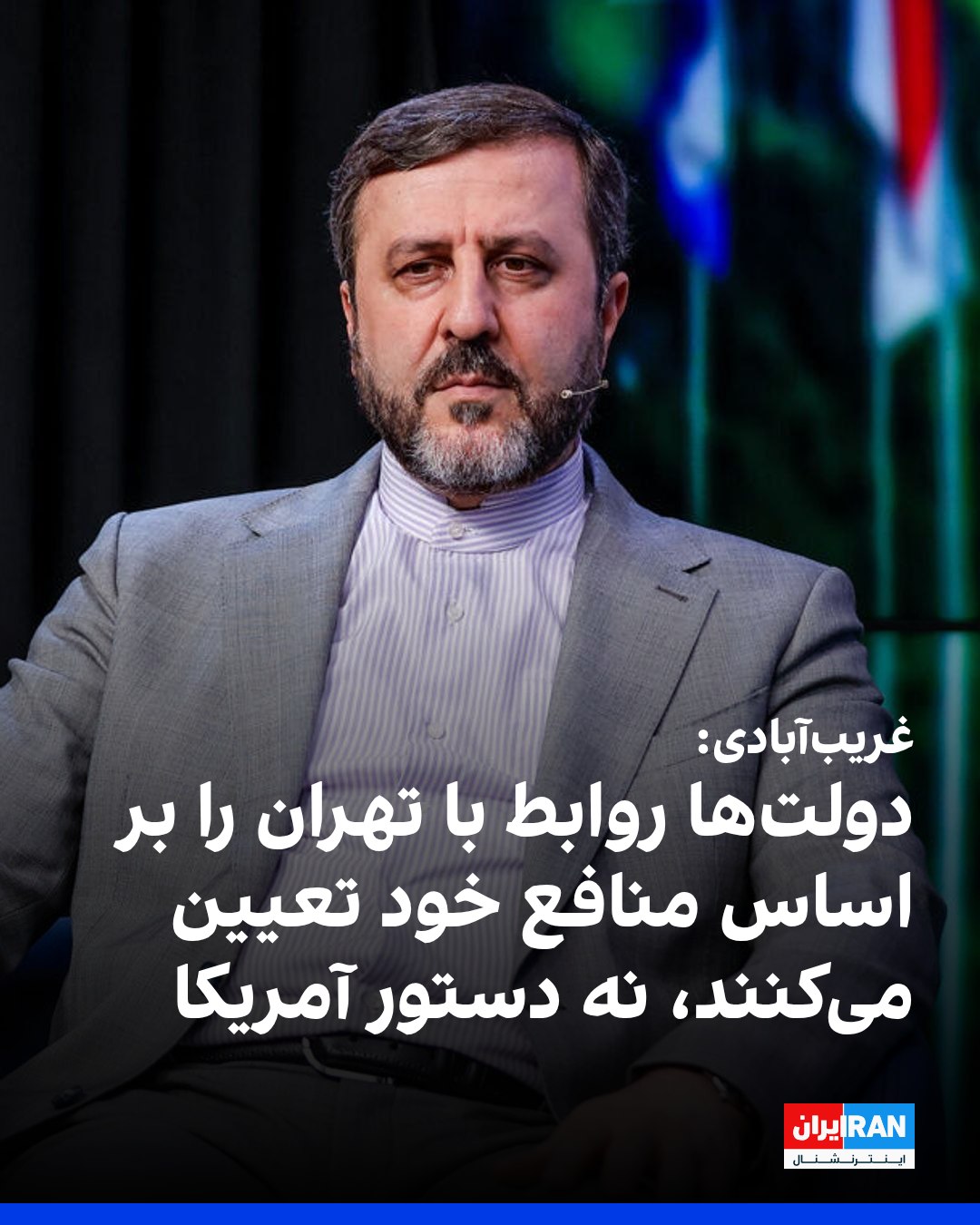
Tehran is running a sophisticated two-track operation right now: talking while posturing. Foreign Minister Araghchi was in Doha this week for talks with Qatari intermediaries on a U.S. seven-day confidence-building proposal. Iran also transmitted a seven-point diplomatic proposal to Washington through Qatar, emboldened by the U.S. military completing its withdrawal from Iraq on September 29.
Simultaneously, the IRGC is claiming its second captured American underwater drone in the Strait of Hormuz – this time identifying it as a Mk 18 Mod 2 Kingfish – while calling the waterway a “hunting ground.” France is pushing a UN Security Council resolution on Hormuz freedom of navigation, developed in coordination with the U.S. and Gulf partners, partly to establish a legal baseline before crisis strikes.
At home, the economic picture tells the real story. The rial is at historic lows. Tether froze $550 million in Iran-linked digital assets this year. Digital gold purchases on Digikala surged 1,200 percent as Iranians flee the currency. Iran’s interbank rate has sat at its 24 percent ceiling for six consecutive weeks. Even Tehran’s mayor publicly rejected “zero inflation” as a meaningful metric for what residents actually experience.
The confident diplomatic posturing and the IRGC’s trophy-taking are performances for a domestic audience watching the economy collapse. A regime that can’t deliver prosperity delivers defiance instead.
Russia’s Attrition Machine Grinds On
Russia struck ATB supermarket warehouses in Kyiv’s Brovarsky district on October 3, the latest in a deliberate campaign against Ukraine’s civilian supply infrastructure. According to CSIS analysis cited in available reporting, Russia has destroyed approximately 90 percent of Ukraine’s modern storage facilities. One frozen food factory in Zhytomyr was damaged twice in a single month. This isn’t random – it’s a theory of victory built on making daily life visibly harder.
The economic cost is staggering. Ukraine’s Economy Minister puts the price of one hour of air raid sirens at $45 million in productivity loss alone – workers sheltering instead of working, up to 10 hours a day. At that pace, a single month of sustained alerts costs $13.5 billion. Russian forces also struck a cargo ship at Odesa port, killing one crew member and injuring three. Meanwhile a drone struck the Russia-Belarus border crossing at Krasny Kamen, disrupting Moscow’s supply corridor – the geographic perimeter of the conflict keeps expanding.
Ukraine isn’t passive. Zelenskyy has approved long-range operations for October, and Britain just became the first international partner to access Ukraine’s battlefield AI platform, giving up to 12 defense firms access to over 5 million video frames and 6 million object detection instances to develop autonomous drones that can operate without GPS. That’s the future of this war being built in real time.
Politically, a new poll finds 72 percent of Ukrainians support peace negotiations – but only 48.5 percent accept territorial compromise. Former military chief Zaluzhnyy is emerging as a serious presidential challenger to Zelenskyy, with a separate survey showing 66 percent would back him in a runoff.

Two UK Bomb Plots and Europe’s Wider Fractures
Two Iranian men – Salam Ahmadiyan, 36, and Rahman Salchi, 34 – were charged in the UK with plotting to bomb the Jewish Museum in Manchester and a synagogue at Hitton Park, allegedly receiving operational guidance from handlers in Iran. They reportedly entered Britain via small boat crossings. If proven, this ranks among the most serious allegations of direct Iranian state coordination in a terrorist plot targeting Western civilians in recent years.
Elsewhere in Europe, Bosnian Serb leader Milorad Dodik – fresh from a late-September meeting with Putin in Moscow – declared Bosnia “dead” and “without meaning” on the eve of the country’s October 4 elections. It’s a deliberate strategy: rather than complaining about institutions, delegitimize the state itself. Classic Russian-aligned destabilization playbook.
And 17 EU member states blocked a proposal to redirect agricultural and cohesion funds to defense spending, exposing the fiscal chasm between European security ambitions and political reality. The G7 did agree to release up to 100 million barrels of oil to cool markets, after Macron and Trump coordinated on energy – but UK petrol prices have already hit a record 199.18 pence per liter, and the UK is preparing contingency diesel rationing plans.
Watch Tomorrow
- October 4: Bosnia’s election results will show whether Dodik’s pre-vote delegitimization campaign translated into gains for pro-secessionist factions or triggered a backlash toward pro-EU parties.
- October 28: The U.S. Treasury’s conditional license barring Iranian carriers from Iraqi airspace expires – watch whether Baghdad complies through the full window or quietly begins granting exceptions under Iranian militia pressure.
- December 13: The Senate’s self-imposed deadline on the Saudi nuclear cooperation vote – the interval before that date is when the administration must address lawmakers’ proliferation concerns or watch the deal collapse.