
Taiwan’s Long-Awaited F-16s Land as Indo-Pacific Stakes Rise
Taiwan just got its first brand-new American fighter jets in nearly 30 years. Two F-16V Block 70 fighters landed on October 4 as the opening delivery on an $8 billion, 66-aircraft contract – advanced radar, extended range, the works. President Lai Ching-te called it “an important milestone.” China, which runs near-daily military sorties around the island, will call it a provocation.
The timing isn’t coincidental. Taiwan’s first indigenous submarine is in final testing. The U.S. just handed Kyiv a diplomatic framework for late-October trilateral talks and is simultaneously embedding 200-plus military analysts inside Saudi command centers. Washington is playing multiple boards at once, and the F-16 delivery is its clearest signal yet that Taiwan sits near the top of the stack.
Ukraine’s Air War Gets Smarter – And More Desperate
France and Ukraine had a productive phone call. Zelenskyy announced that Ukrainian pilots will begin Rafale training in France within weeks, and the two countries are actively working to localize production of French missiles inside Ukraine itself – a deliberate move to insulate Kyiv from logistics corridor vulnerabilities and the political volatility of Western aid cycles. Paris is betting on Ukraine’s long-term survival, not just bridging to a ceasefire.
On the ground, Ukraine’s currency just hit a historic low: 45.05 hryvnias per dollar, a record. Roughly 90% of Ukraine’s steel production is offline after Russian strikes on major complexes – analysts estimate $5-7 billion in lost foreign currency revenue and 30-40 billion hryvnias in lost tax receipts. Russia just destroyed a pharmaceutical plant in Sumy region, killing at least one engineer.
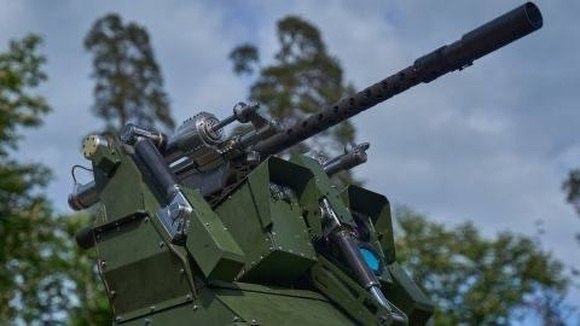
And yet Ukraine keeps innovating. The country scored its first confirmed kill of a Russian Shahed-4 drone using a Vampire system with APKWS laser-guided rockets. Kyiv has 12 AI-powered gun turrets deployed in the capital, with 8 more coming. And Kyiv residents just handed 6,000 FPV drones to the Third Army Corps in a single civilian donation. Germany’s Chancellor Merz showed up unannounced in Kyiv during active air raids and pledged €1 billion in military aid – drones, interceptors, long-range weapons, and €350 million for energy reconstruction.
The bad news: U.S. intelligence has warned Ukraine of an imminent mass Russian attack potentially targeting Kyiv’s Southern Bridge with Iskander-M missiles and North Korean KN-24 systems. Threat level in the capital is at red.
Yemen’s Escalation Machine Has No Off Switch
The Yemen picture is deteriorating fast. Houthi forces seized the residence of Saudi-backed Yemeni President Rashad Al-Alimi in Ta’izz Governorate – the same day Al-Alimi announced “Operation Dawn of Yemen.” Within hours of his offensive declaration, his own compound was breached. Saudi Arabia conducted 106 airstrikes in 24 hours, bringing the cumulative total to 1,516 strikes since the escalation began. None of it has dislodged the Houthis.
Meanwhile the Houthis deployed domestically manufactured Shahed-1 drones against Saudi-aligned targets – first documented operational use of a locally produced variant – and formally declared Saudi airspace a military operations zone, warning all commercial airlines to stay out. Reports indicate an Iranian flag was raised in the Bab al-Mandeb Strait, with Houthi forces signaling they plan to formally announce closure of the strait before the U.S. elections.
The U.S. has deployed over 200 military and intelligence analysts directly into Saudi command centers. UK and France are running aerial refueling aircraft to sustain Saudi combat missions. Tanker charter costs have hit $1.3 million per day per vessel – up from ~$50,000 before the conflict intensified. Saudi Aramco’s CEO says oil market recovery could take until 2027 even after the strait reopens.
Iran’s Many Faces – Threats, Diplomacy, and Internal Rot
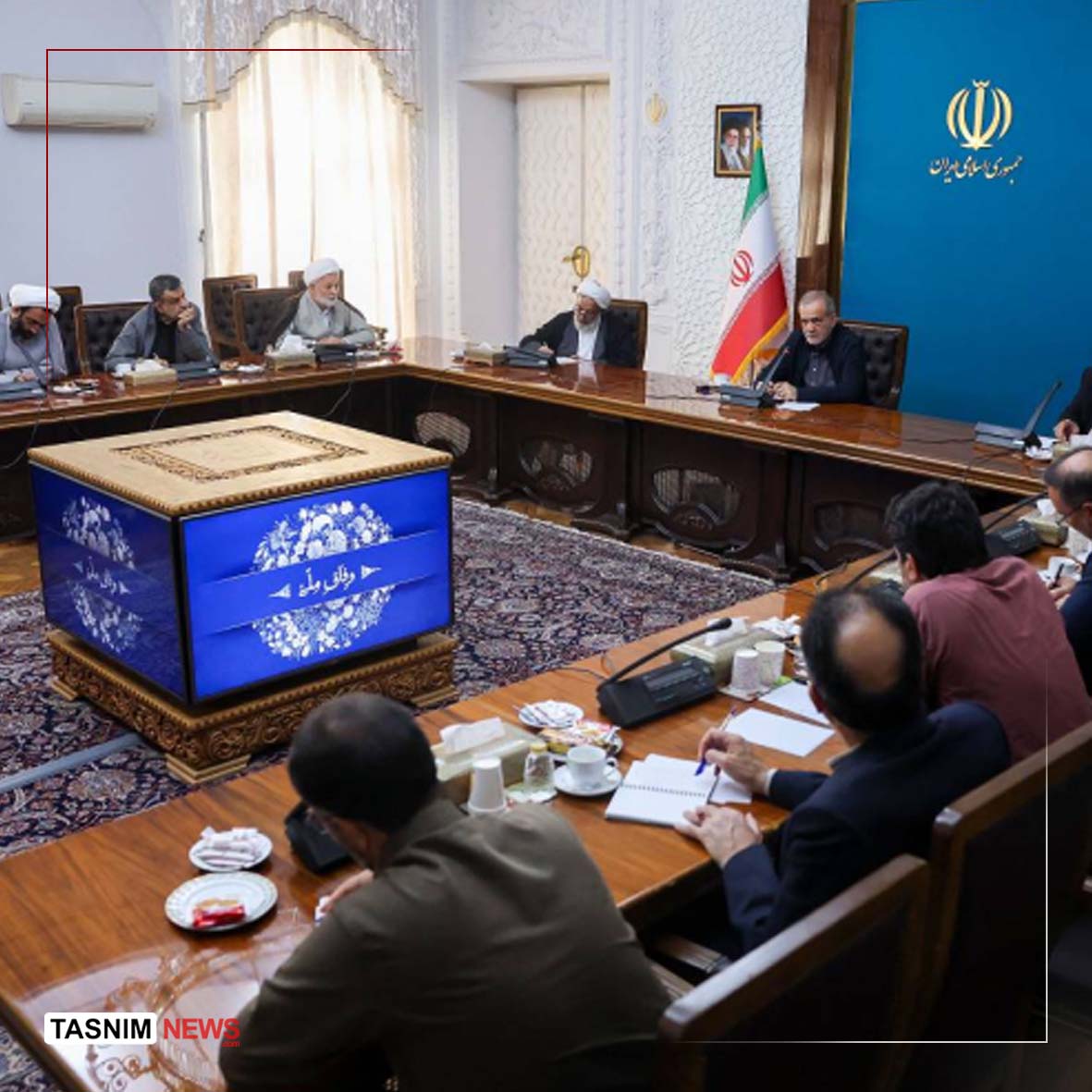
Iran’s security apparatus is running every play simultaneously. General Abdullahi, head of Iran’s joint chiefs, vowed a “devastating response” to any U.S. or Israeli action “before or after the elections, and with any result.” The National Security Commission invoked Stalingrad as their Strait of Hormuz metaphor. Tehran also nominated a new defense minister with aerospace and missile development credentials, and its intelligence chief warned regime factions to stop airing disputes publicly – an admission that fractures are real.
On the diplomatic track, Iran’s Interior Minister flew to Doha, Tehran is reviewing a U.S. response to a seven-point ceasefire proposal including Strait of Hormuz reopening, and Zarif is courting Armenia for South Caucasus influence. Meanwhile domestically: the oil minister resigned after controversy over 80 million barrels with unclear fates, money supply growth sits at 51.6%, and housing prices swung 24 million rials in two months. The regime is running a pressure campaign abroad while barely holding the seams together at home.
Watch Tomorrow
- October 7 anniversary (today): Israeli elections are October 27 – watch whether any security incident in the next 24 hours reshapes the electoral landscape, and whether Netanyahu’s “Iran expelled” narrative holds against the day’s commemorations
- Trilateral talks clock: Zelenskyy accepted the U.S. proposal for Ukraine-Russia-U.S. technical talks by end of October – Moscow’s response (or non-response) this week will tell us whether diplomacy has any oxygen
- Bab al-Mandeb: Houthis signaled a formal strait closure announcement before U.S. elections – watch for whether that declaration materializes and triggers a direct Western military response