
Ukraine Hits a Milestone as Russia Plots the Darkest Winter Yet
Ukraine’s air defenses just crossed a threshold that matters. On September 30, they intercepted 146 of 174 Russian Shahed drones – an 84% kill rate, the first time they’ve cracked 80% against the jet-powered variant. Total for the day: 254 targets neutralized out of 285 launched. Kyrylo Budanov, now heading the Presidential Office, immediately announced Ukraine will share its drone-defense technology with the 11 countries already in its drone-cooperation framework. The message is deliberate: prove the tech works, then offer access to deepen alliance ties.
The bad news: Russia isn’t slowing down – it’s reloading. Ukrainian monitors say Moscow has stockpiled over 6,200 Geran-2 drones for a winter energy campaign, with Kalibr cruise missiles pre-positioned over the Caspian. Experts warn daily blackouts in Odesa, Kharkiv, and Dnipro could hit 14-15 hours if the strikes land as planned. Ukrenergo has already resumed scheduled power outages across multiple regions – not a crisis, but a preview. Zelenskyy visited the Lymanskyi front on September 30 and reported 10,660 Russian casualties over the preceding seven days. The grind continues.
Russia, meanwhile, has been busy escalating on paper. Moscow formally declared European arms factories legitimate military targets, and the Polish Institute of International Affairs assessed that Russia is preparing coordinated hybrid attacks on NATO infrastructure – energy grids, ports, telecoms – timed with intensified Ukraine strikes. Belgium’s Defense Minister Theo Francken put it plainly: “This will be a dark winter for Europe.” And Russia’s nuclear bluster reached a new pitch – a formal diplomatic note to NATO threatening nuclear response if Kaliningrad is isolated, described by a senior European defense official as the most explicit such warning since the Cold War.
Iran Fractures on Every Front Simultaneously
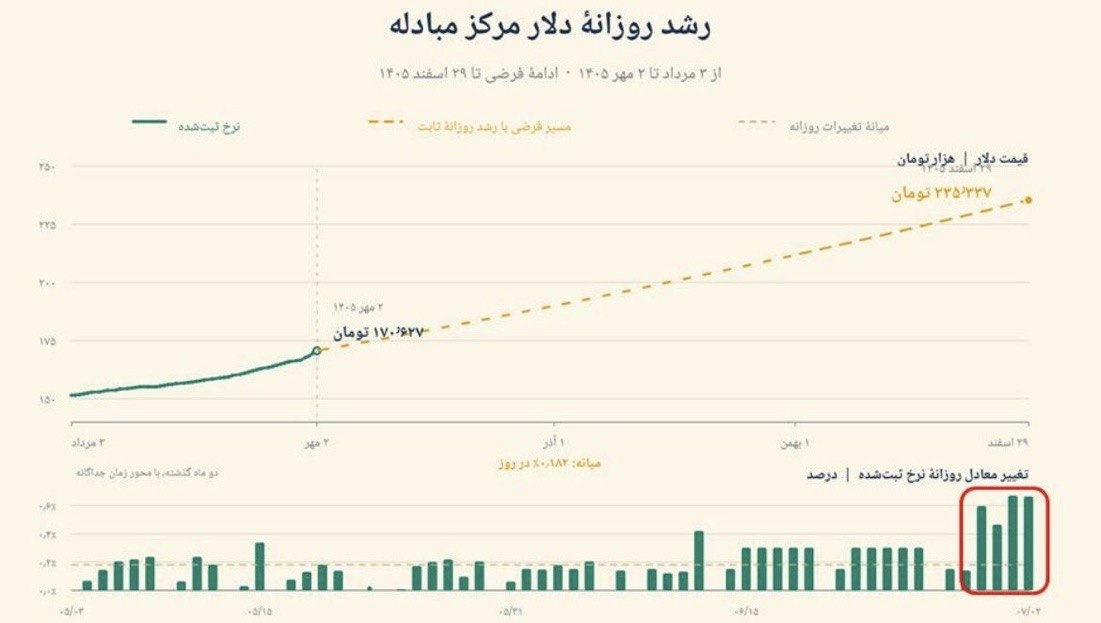
It’s rare to see a regime crack this visibly in real time. The rial has collapsed to 2.539 million per dollar – down 43% in three months, 10% in a single week. The Central Bank injected $2 billion into currency markets and raised individual dollar purchase limits tenfold, to $10,000 per national ID. It bought a temporary convergence between official and black-market rates – both hitting 252,000 tomans – but maritime monitoring firm Kpler says Iran’s stored oil reserves outside sanctions zones face depletion by mid-October. When those run dry, the buffer is gone.
The diplomatic picture isn’t better. Foreign Minister Araghchi was ordered to leave New York by the U.S. State Department after nuclear talks collapsed – a humiliating expulsion for the man tasked with pragmatist outreach. He tried to spin the RAF Fairford terrorism investigation (five suspects near a British air base, since released on bail) as vindication: no conviction means no Iranian involvement, he argued. Britain disagreed, saying it has “strong evidence.” Meanwhile, Iran’s IRGC declared the country in a state of war, claimed daily clashes in the Strait of Hormuz go unanswered by the U.S., and struck three tankers on September 30. Senior cleric Larijani declared the NPT “in crisis” while parliament is suspended, laying rhetorical groundwork for withdrawal from the nuclear treaty. And a former budget chief publicly called for “unified command” of the wartime economy – an unusual break in elite consensus that signals the reformist-hardliner divide is widening under economic stress.
None of this is confidence. It’s a regime trying to project strength while its currency, its diplomacy, and its internal unity all deteriorate at once.
The Gulf’s Security Architecture Shifts Around Israel
Netanyahu’s Abu Dhabi visit was more than symbolic. He disclosed to UAE leadership that Iran has restarted its nuclear program at the Fordow facility – a claim unverified independently but politically explosive. A Saudi security official reportedly attended the broader Iran-focused session, despite initial Riyadh denials. Ten countries in the room, including Egypt. This is what a nascent anti-Iran coalition looks like when it’s being assembled in real time.
Iran’s response came fast. Security chief Mohsen Rezaei warned the UAE directly: “Just as hosting American military bases has not brought you security, hosting the ‘butcher of Gaza’ will not have good consequences.” He also invoked the disputed Gulf islands, linking normalization with Israel to Tehran’s territorial grievances. It’s a threat designed to raise the cost of alignment with Israel – but it’s also a sign Iran feels cornered by what it’s watching unfold in Abu Dhabi.
Meanwhile, Israel’s own political fabric is showing strain. Israeli military intelligence assessed a significant surge in terrorist activity abroad – directly contradicting PM Lapid’s public statements. Lapid walked out of a Netanyahu security briefing and published an attack within two minutes, accusing the PM of curating threat intelligence for political purposes. IDF Chief of Staff Zamir canceled his U.S. visit as alert levels rose. And an Omani flight attendant was physically stopped by an off-duty Emirati pilot from sabotaging a Dubai-Tel Aviv flight carrying 150 Israeli passengers – a near-catastrophe averted, and a reminder that normalization doesn’t automatically stop radicalization.
The Iraq Pivot and the Proxy Problem
September 30 marked the formal end of the U.S. military presence in Iraq. The last American and British personnel departed, closing a chapter that opened with the 2003 invasion. Kurdistan’s officials called it “shameful.” Muqtada al-Sadr dissolved his Promised Day Brigade and rebranded it as a civilian organization – a move timed to the withdrawal and almost certainly reversible. The Islamic Resistance in Iraq, meanwhile, flatly refused disarmament, insisting weapons stay until U.S. and NATO forces leave Iraqi airspace and waters entirely. Then Kataib Hezbollah threatened to bring down Iraq’s PM if he didn’t oppose U.S. sanctions on Iranian airlines by October 1. Baghdad’s ability to govern its own foreign policy just got a very public stress test.
Iraq also drafted a weapons embargo proposal targeting Iranian arms trafficking through its territory, with a June 2027 implementation deadline. Whether it survives Kataib Hezbollah’s veto is another question entirely.
Watch Tomorrow
- October 6: Israel’s Central Elections Committee holds a scheduled hearing on Likud’s petition against diaspora voting organizations – a direct window into whether coalition electoral disputes escalate legally before the vote.
- Mid-October: Kpler’s deadline for Iran’s stored oil reserves outside sanctions zones to deplete – watch the rial and Gulf tanker activity for the first signs of economic shock without the buffer.
- Kataib Hezbollah’s October 1 ultimatum to Iraq’s PM over Iranian aviation restrictions has now passed – watch Baghdad’s response and whether Iran escalates pressure through its militia network or accepts a quiet non-answer.